
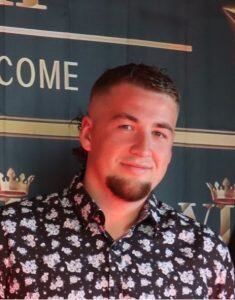
Meet John Knowles
Chairman
Extensive background in high-level NZ rugby administration (former CEO Manawatu Rugby Union, managed Super Rugby/NPC teams). Leads club strategy and new pathways.
John Knowles holds the pivotal position of Chairman for Taupō Marist Inc. His leadership role was formalised following the club’s most recent Annual General Meeting (AGM), which took place in December 2024. This AGM marked a significant restructuring, as it saw the introduction of five new management members, signaling a renewed focus on the club’s administrative and strategic direction.
Mr. Knowles brings an exceptionally rich and varied background from the highest echelons of New Zealand rugby administration. Prior to his current role, he retired to Taupō in 2020. His career in rugby is distinguished by a series of prominent management and executive positions. He served as a manager for the Taranaki National Provincial Championship (NPC) rugby team, demonstrating his early involvement in provincial-level operations. His experience extended to the professional Super Rugby level, where he managed the Hurricanes team, a testament to his capabilities in high-performance team environments. Furthermore, he managed the Wellington Lions, another key provincial team, showcasing continued engagement with elite rugby structures.
Beyond team management, Mr. Knowles also spent a period under contract to the New Zealand Rugby Union, underlining his involvement at the national governing body level and an understanding of the broader rugby landscape in the country. A notable collaboration in his career was with Dave Rennie (former Chiefs and Australian National Coach), where he contributed to the development of the Manawatu Turbos, highlighting his expertise in player and team development strategies. His most senior administrative role was serving as the Chief Executive Officer (CEO) of the Manawatu Rugby Union for nine years, a position he held until his retirement in 2018. This extensive tenure as a CEO underscores his capabilities in organisational leadership, financial management, and strategic planning within a complex sporting body.
The appointment of an individual with Mr. Knowles’s pedigree as Chairman of a local club like Taupō Marist represents a significant strategic advantage for the organisation. His career progression, from managing high-performance teams to leading a provincial union, and now chairing a community club, indicates a unique transfer of high-level administrative and strategic acumen to the grassroots level. This highlights the importance that Taupō Marist is prioritising the professionalisation of its club governance, aiming to implement more sophisticated management practices that are typically found in larger, more resource-rich rugby organizations. Such a move is crucial for a local club, as it can lead to more robust development programs, improved financial sustainability, and enhanced operational efficiency.
Furthermore, Mr. Knowles’s background in player development and high-performance team management directly aligns with the club’s stated objective of “forging a new pathway for opportunities and the future of junior and senior rugby players” at Taupō Marist. This establishes a clear link between his past experience and the club’s current strategic direction. His leadership is poised to bridge the gap between the professional rugby environment he previously inhabited and the community-focused objectives of Taupō Marist. This should translate into improved coaching structures, more effective talent identification, and clearer progression routes for aspiring young players within the King Country Union, to which Taupō Marist is affiliated. Such an approach is vital for retaining local talent, especially as young athletes in areas like Taupō often relocate to larger cities for educational and sporting opportunities. By cultivating a more professional and structured pathway, the club aims to build a sustainable future for its players and maintain its competitive strength within the regional rugby landscape.
Other Team Members










Latest Updates

Our Valued Sponsors